

Coffee
Public Health · covered by 23 outlets this week · tracked since 2026-10-27
Press: 25 mainstream 24 specialist 23 independent outlet-days
What it is
Coffee is the world's most widely drunk source of caffeine, a stimulant that blocks the brain's adenosine receptors and briefly raises alertness and heart rate. Large observational studies link moderate drinking with lower rates of type 2 diabetes, liver disease and early death, but they cannot rule out that healthier people simply drink more of it. Current coverage centres on gut effects, sleep, pregnancy limits and caffeine hidden in energy drinks and supplements.
Benefits for diabetes, liver and mortality rest mainly on large observational cohorts; trials are short and test markers rather than disease.
- RegulatorThe US FDA and the European Food Safety Authority cite about 400 mg of caffeine a day as a level not generally associated with harm in healthy adults, and lower amounts in pregnancy.
- TrialShort trials show caffeine raises blood pressure acutely and disturbs sleep when taken late in the day.
- MarketCaffeine is also sold in energy drinks and stimulant supplements, which the American Heart Association's 2026 congress linked to heart-attack reports.
Written by the Alivewire editors from the coverage below, 16h ago; rated 16h ago. Not medical advice; how the ratings work.
Coverage
explainer
Collagen powders, creams and bone broth: what the science says about their benefits
The Conversation UK Health · 10h ago
what does it mean when sleeping more makes you more sleepy??
Reddit r/sleep · 19h ago

Hong Kong coffee innovator taps into technology for barista-free brews
SCMP Health & Wellness (Lifestyle) · 1d ago
What’s All That Coffee Doing to Your Gut?
Nautilus · 1d ago

German knives, English socks: 13 gifts beloved globally that Americans are missing out on
Guardian Sleep · 1d ago
study
Frequent coffee drinkers show more diverse gut microbiomes, Danish study suggests
Nutrition Insight · 1d ago
review
Poopmaxxing: I interviewed strangers and found there are only 2 types Holder vs Goer. Which one are you?
Reddit r/Biohackers · 2d ago


Coffee appears to change how the gut functions
Medical Xpress · 2d ago
The collagen craze promises younger-looking skin, but the evidence is less convincing
The Conversation UK Health · 2d ago
study
Scientists finally discover why we learn to love bitter coffee
ScienceDaily Mind & Brain · 3d ago
UK launches Coffee Science and Culture Certificate
UKNow (University of Kentucky) · 3d ago
Matcha vs Mushroom Coffee
Reddit r/Biohackers · 3d ago
Why Drinking Coffee Actually Lowers Anxiety, According To Research
mindbodygreen · 3d ago

studyobservational
Drinking 2–3 cups of coffee a day linked to dramatically lower dementia risk
ScienceDaily - Healthy Aging · 5d ago
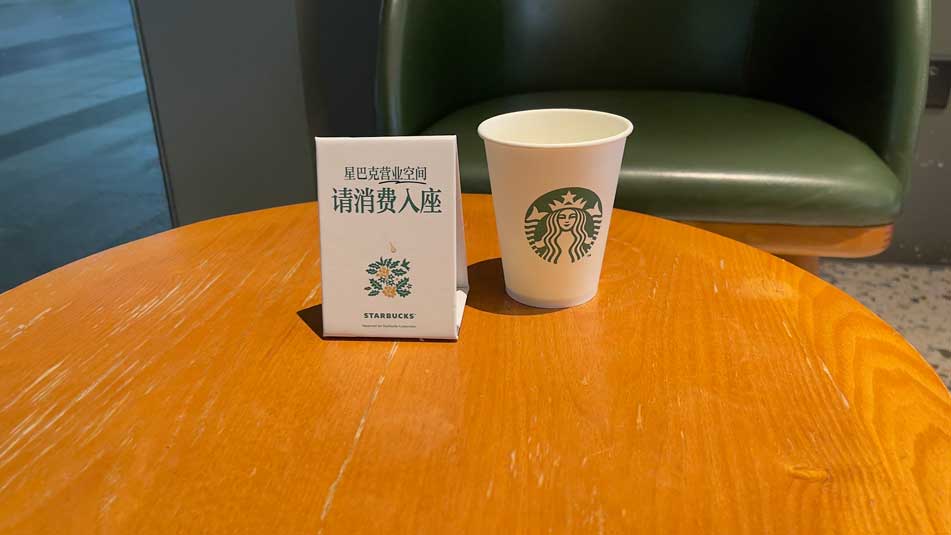
Starbucks’ Pay-to-Sit Policy Tests ‘Third Place’ Image in China
Sixth Tone · 5d ago

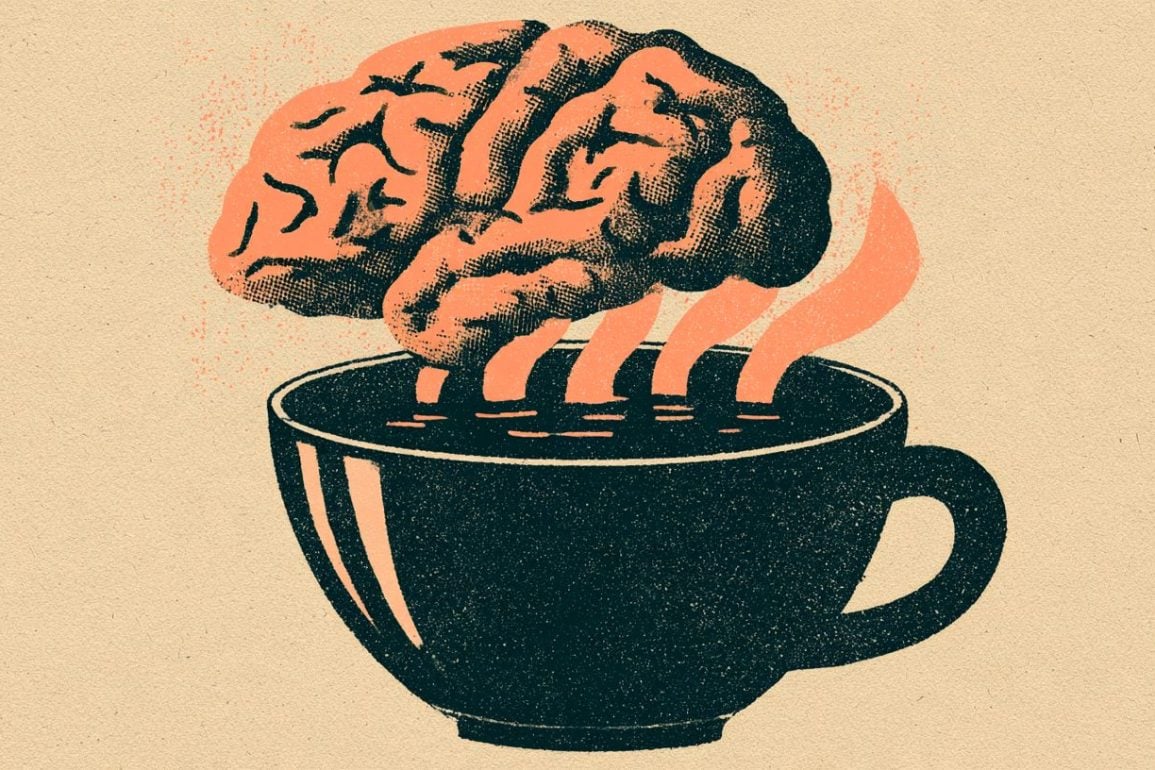
Why Bitter Coffee Starts to Taste So Good to Your Brain
Neuroscience News · 8d ago

How your brain learned to love coffee, chocolate, fat and sugar
Medical Xpress · 8d ago

Took my pills… or did I just think about taking them?
Reddit r/Biohackers · 10d ago

Almost 6 Million Coffee Makers Recalled Due to Serious Burn Risk
Everyday Health · 10d ago

What Morning Coffee Does to Your Digestion and Bloating
Health.com · 10d ago

Slept for 5 hours last night
Reddit r/sleep · 10d ago

opinion
Opinion: Cancer patients are often pressured to end a pregnancy early. They shouldn’t be
STAT News · 10d ago

How Coffee Can Boost Your Sex Life
Verywell Health · 10d ago
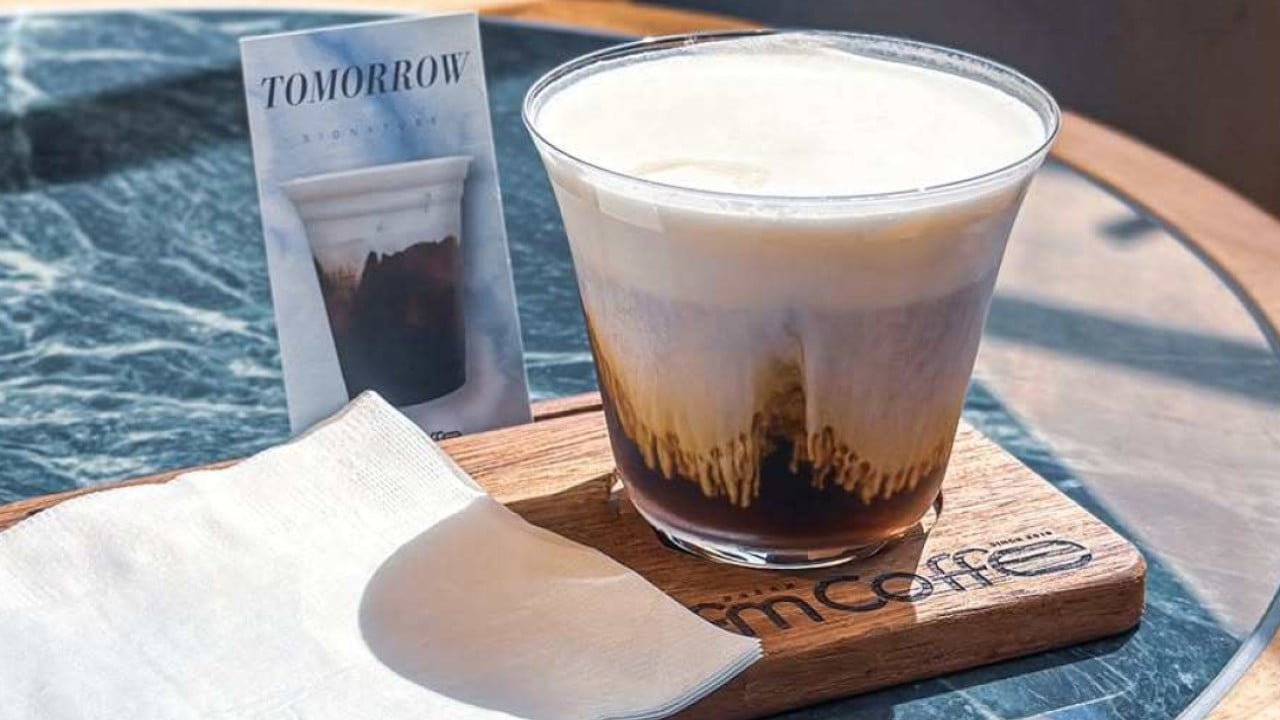
New Hong Kong cafes and coffee shops to get your caffeine fix in November 2026
SCMP Health & Wellness (Lifestyle) · 11d ago
I have never slept 7-8 hours straight, is this normal?
Reddit r/sleep · 11d ago
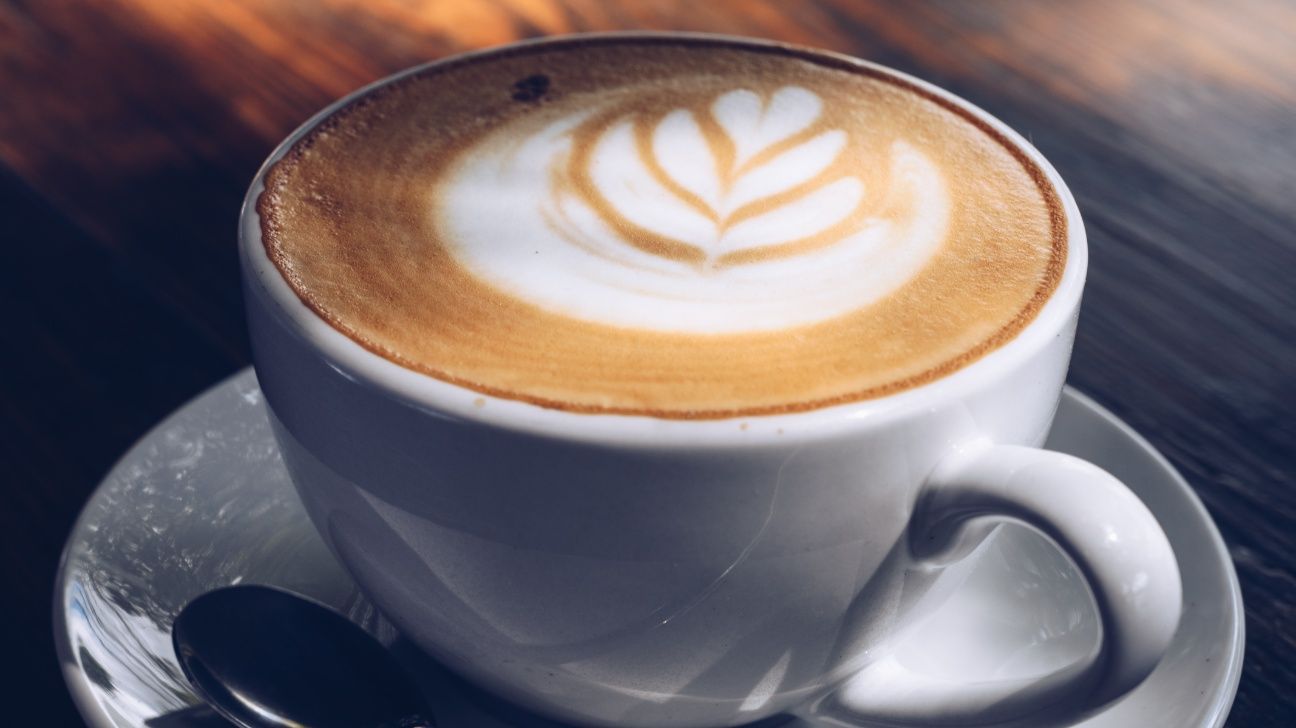
How Non-Dairy Creamers Doubled Coffee’s Calories For Many Americans
Healthline · 12d ago

I want to try to quit drinking coffee
Reddit r/Biohackers · 14d ago

How Coffee and Caffeine Really Affect Inflammation
Health.com · 14d ago

Coffee creamer sold in 11 states recalled over sterility fears
Daily Mail Health · 14d ago

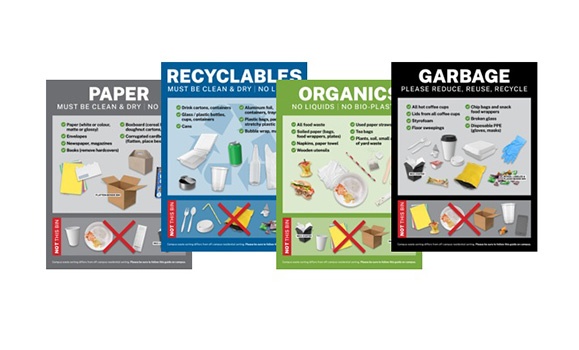
New signs, less waste: Dal updates campus sorting guidance
Dal News · 15d ago
Coffee doesn’t work
Reddit r/Biohackers · 16d ago


Coffee calories have jumped nearly 40%. Sugar isn't the biggest culprit
ScienceDaily Health & Medicine · 21d ago

Why 2:24 marathoner Abbie Donnelly, 30, credits her success to kilometre repeats and coffee and cake
Runner's World UK · 22d ago

The best Advent calendars for women 2026: beauty, wellness and fitness treats worth opening every day
Women's Health UK · 23d ago


study
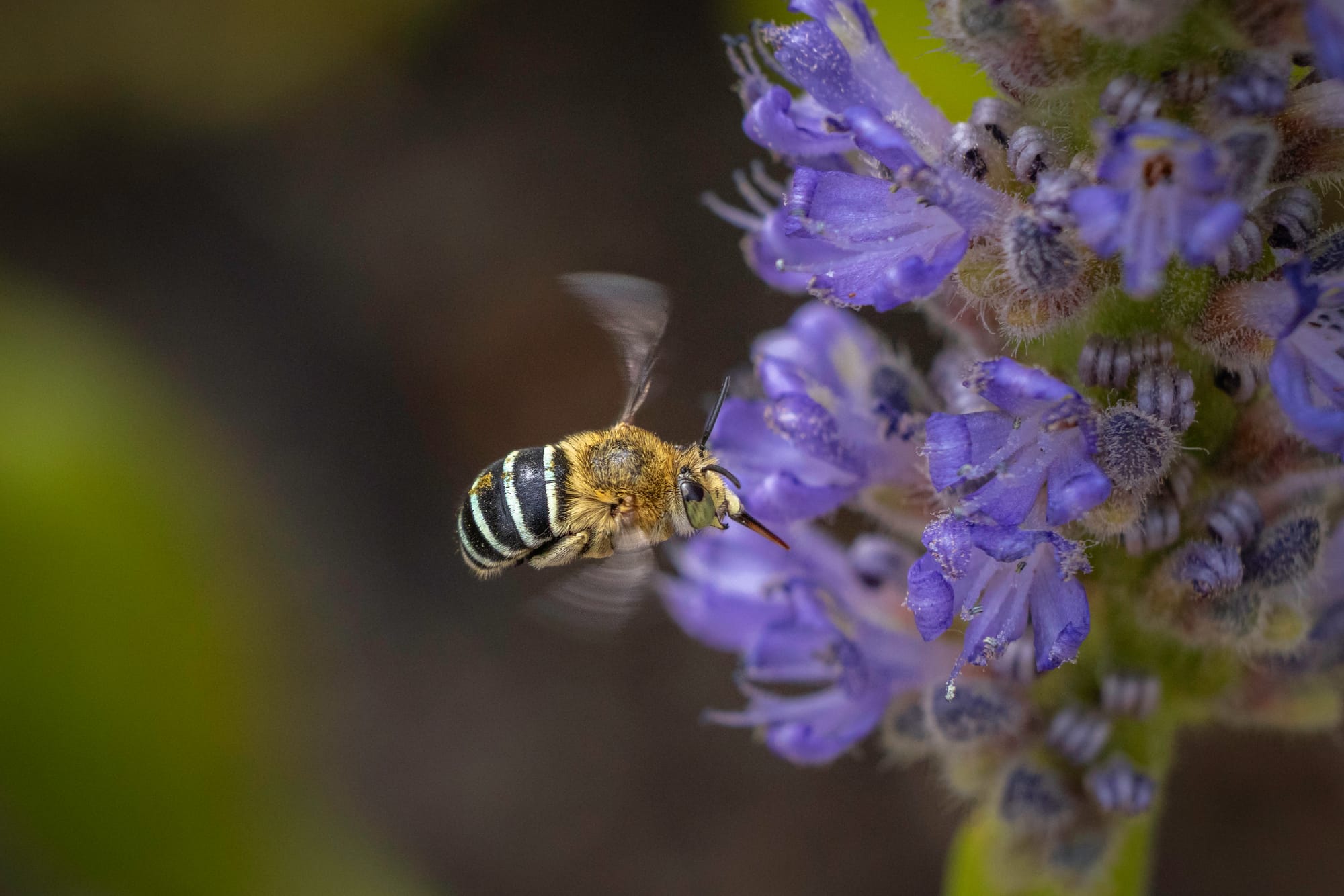
Are Australia’s native bees thriving or declining? We don’t know but can find out
Monash Lens · 24d ago
study
Trends in the Consumption of Coffee and Coffee Additions Among U.S. Adults Aged 20+ Years, The National Health and Nutrition Examination Survey 2003–2018
Journal of the Academy of Nutrition and Dietetics · 25d ago
Drowsy driving: Why coffee is not a cure
Sleep Education (AASM) · 29d ago
list
It’s the Filter’s first birthday! 25 things readers loved most this year … and if we still recommend them
Guardian Sleep · 40d ago
Savoring San Antonio
Today's Dietitian · 42d ago
study
Scientists just discovered what coffee really does to your gut and brain
ScienceDaily Mind & Brain · 45d ago