

Estrogen
Medicine & Biotech · covered by 28 outlets this week · tracked since 2026-10-27
Press: 13 mainstream 45 specialist 30 independent outlet-days
What it is
Estrogen is the main female sex hormone, produced mostly by the ovaries until menopause, with roles in bone, heart, brain and skin as well as reproduction. Its medical uses are hormone therapy for menopause symptoms, contraception and gender-affirming care; in oncology, blocking it is the backbone of treatment for hormone-sensitive breast cancer. Coverage here spans the ongoing reassessment of menopausal hormone therapy, cancer-risk studies, and online communities trading dosing experiences.
The score describes menopausal hormone therapy and hormonal contraception, studied in large trials for decades, including the 2002 Women's Health Initiative. It does not cover unsupervised use for other purposes.
Evidence by use or claim · 1 preclinical to 10 thoroughly established
-
Menopausal symptoms (hot flushes, night sweats)10/10 · thoroughly established
The most effective treatment known; decades of trials.
-
Hormonal contraception10/10 · thoroughly established
In use since 1960; among the most studied medicines in existence.
-
Osteoporosis prevention9/10 · thoroughly established
The Women's Health Initiative confirmed fewer fractures.
-
Heart disease prevention3/10 · early human evidence
WHI found no benefit and harm in older starters; the timing hypothesis remains unproven.
-
Dementia prevention2/10 · preclinical
WHIMS found higher dementia risk when combined therapy was started after 65.
- TrialThe Women's Health Initiative found combined estrogen plus progestin raised breast cancer, stroke and clot risk, mostly in women who started after 60 or more than ten years past menopause; estrogen alone did not raise breast cancer risk. source
- TrialOral estrogen raises the risk of venous clots; transdermal and vaginal routes carry lower risk. source
- RegulatorThe FDA has removed its long-standing boxed warnings for cardiovascular disease, breast cancer and dementia from some menopausal hormone products, reflecting the evidence that risk depends on age at starting. source
- TrialA later WHI analysis linked combined therapy started after 65 to higher dementia risk; starting earlier has not shown that pattern. source
Written by the Alivewire editors from the coverage below, 3d ago; rated 2d ago. Not medical advice; how the ratings work.
Coverage
explainer
What are your thoughts about the following pharmaceuticals? How do you think a person should develop their stack
Reddit r/Biohackers · 1d ago
studyn=52,000
Hormone Replacement Therapy Shows No Increased Cardiovascular Risk in Study of Over 52,000 Women
Medical Dialogues · 1d ago
study
Anti-Notch plus endocrine therapy in ER+ breast cancer inhibits cancer stem cells by increasing DAXX
JCI Insight · 2d ago

Hormone Therapy for Menopause
Verywell Health · 2d ago
study
expert reaction to survey study of satisfaction and regret following initiation of hormone therapy in youth
Science Media Centre · 2d ago
studyobservationalpeer-reviewed
Oral Menopausal Hormone Therapy Linked to Higher Blood Clot and Stroke Risk, BMJ Study Finds
Medical Dialogues · 2d ago

study
Two-year study will examine how gender-affirming hormone therapy affects energy use and blood vessel function
Medical Xpress · 2d ago


6 Types of Foods High in Estrogen and Why They’re Important
Verywell Health · 2d ago
What would your ideal peptide/GLP-1/HRT tracking app actually do?
Reddit r/Biohackers · 4d ago
study
Hormone Replacement Therapy and Cerebral Hemodynamics in Postmenopausal Women: A Systematic Review and Meta-Analysis
Journal of Applied Physiology · 4d ago
Estrogen
Reddit r/Biohackers · 5d ago

Hormone Therapy and Cancer Risk; Oncology Pay Cut; Mammograms Post-Double Mastectomy
MedPage Today · 5d ago

DNA 'switch' uncovers new brake on breast cancer growth
Medical Xpress · 5d ago

Digbi’s ASRA puts AI agents on the care front line
Longevity.Technology · 5d ago

Contemporary hormone therapy does not worsen cardiovascular risk
Healio · 5d ago
studyobservational
Increased Estrogen Over Lifespan Linked to Healthier Vasculature Later in Life
Inside Precision Medicine · 5d ago
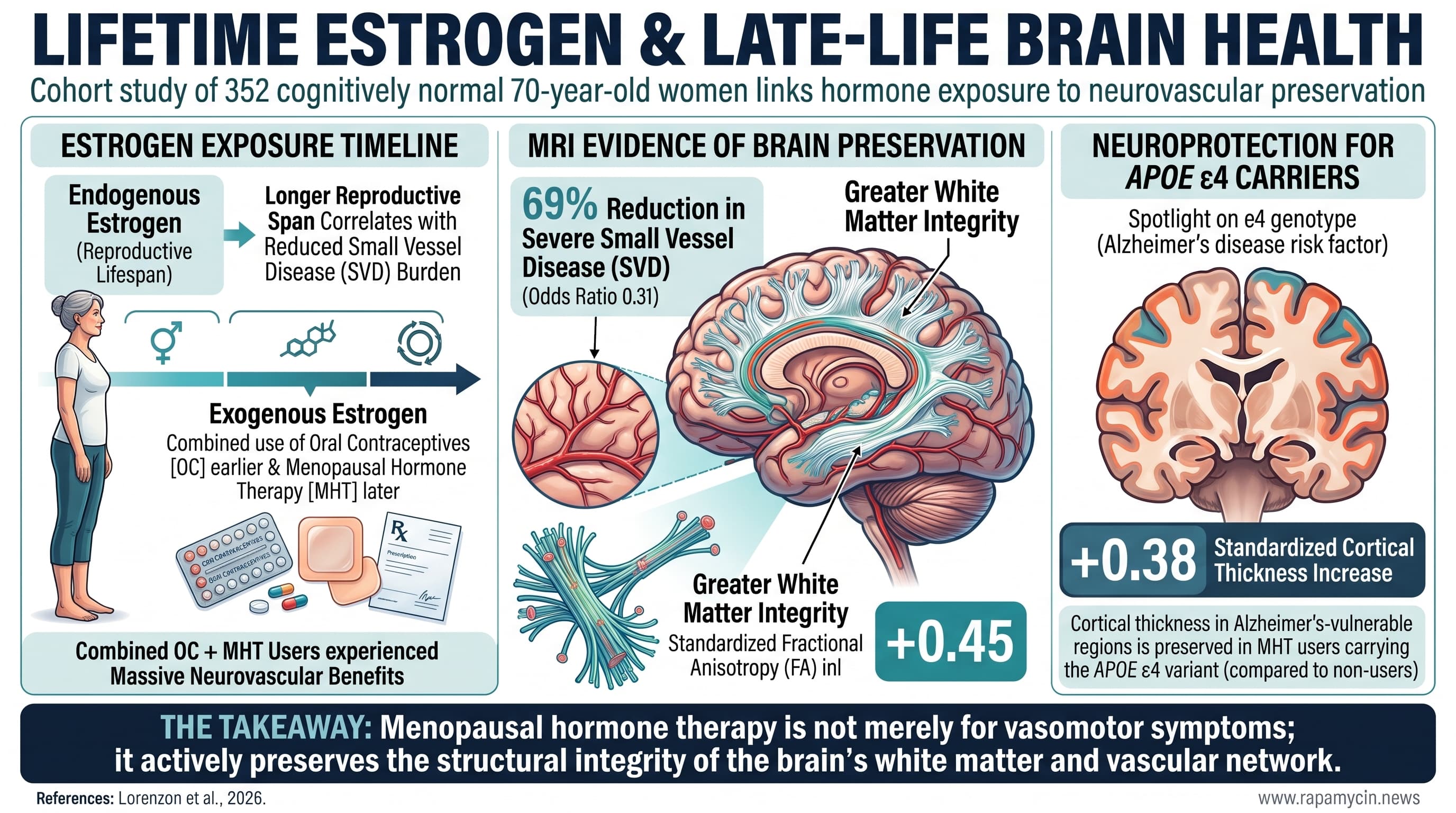
Estrogen Exposure Across the Lifespan Shields the Aging Female Brain from Vascular Damage
Rapamycin News · 6d ago

Estrogen May Play an Important Role in Long-Term Brain Health
Everyday Health · 6d ago


studyobservational
Two 'forever chemicals' associated with higher risk of aggressive breast cancer in analysis
Medical Xpress · 6d ago


Estrogen Exposure Shields the Aging Brain
Neuroscience News · 6d ago
Hormone Replacement Therapy Exhibits a Complex Relationship with Aging Clocks
Fight Aging! · 6d ago

Midlife Women Are Being Handed GLP-1s. Who Is Asking About Their Bones?
The Health Care Blog · 6d ago
Coming up: Fireside discussion – Chronic sinusitis & nasal polys management update
The Medical Republic · 6d ago

Brain Health Linked With Longer Lifetime Estrogen Exposure
MedPage Today · 7d ago

studyobservational
Longer estrogen exposure linked to better brain vessel health in older women
Medical Xpress · 7d ago

Sally Dynevor uses weights and walking to stay strong at 63 – inside the Corrie star's fitness routine
Women's Health UK · 8d ago
study
New Study Challenges Long-Held Concerns About Hormone Therapy & Heart Health
mindbodygreen · 8d ago
study
Heterogeneity of microbiome responses to menopausal hormone therapy among perimenopausal women
Nature Medicine · 9d ago
studyrandomized trial
Prebiotic Inulin for Late-Reproductive Individuals (P.I.L.I. study): A Protocol for a Placebo-Blind, Cross-Over Randomized Controlled Trial
medRxiv (all subjects) · 9d ago

Brain Circuit Pruned to Make Wild Foxes Friendly
Neuroscience News · 9d ago
studyobservational
Long-term study finds modern hormone replacement therapy not linked to heart disease risk
AHA Newsroom · 9d ago

studyobservational
Long-term study finds modern hormone replacement therapy not linked to heart disease risk
Medical Xpress · 9d ago

Health and Wellness – Heart Health Pocket Guide
Prostate Cancer Foundation · 9d ago

HHS updates labels for three estradiol transdermal patches
Healio · 12d ago

FDA again bypasses advisers to remove black-box warnings from menopause treatments
Guardian Health · 12d ago

study
Estrogen remodels large-scale cortical dynamics to promote behavioral persistence
bioRxiv - Neuroscience · 13d ago

Your bottom shape doesn't reveal your estrogen levels—despite what social media says
Medical Xpress · 14d ago
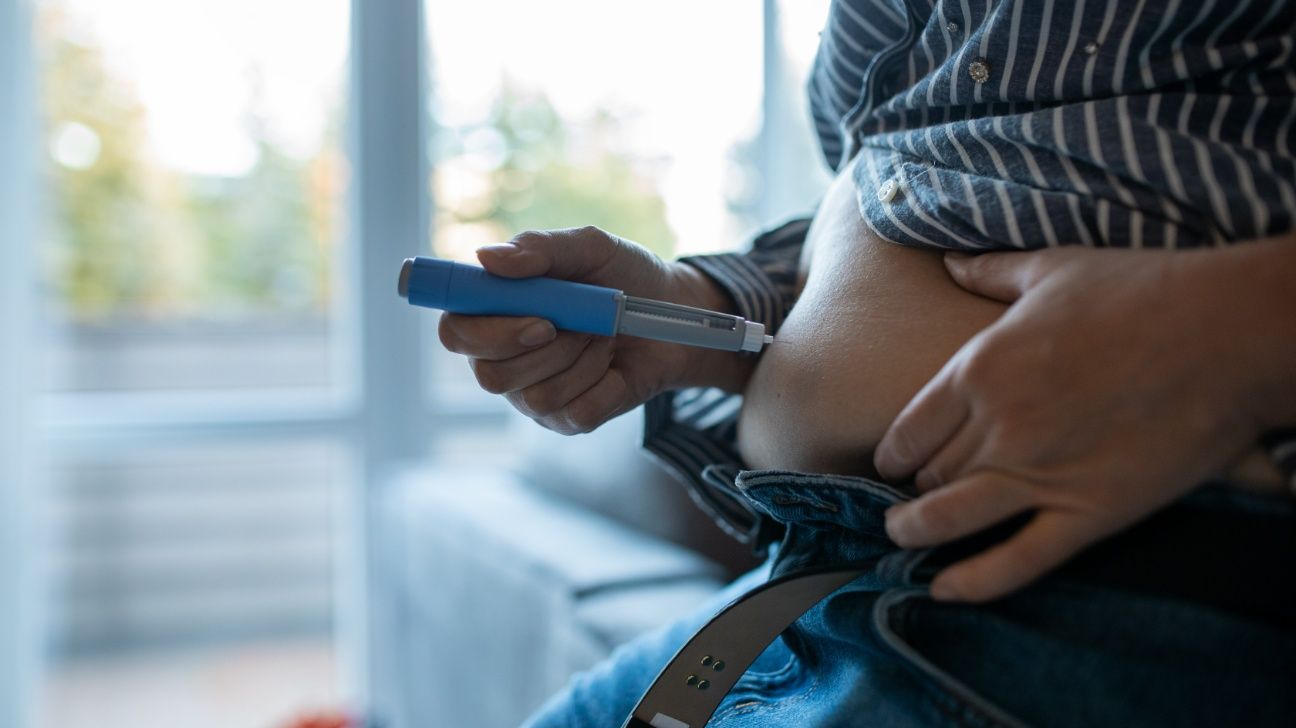
Hormone Therapy May Boost Weight Loss on Wegovy, But Not as Much on Zepbound
Healthline · 15d ago

ACOG Strongly Recommends Hormone Therapy for Menopause Symptoms
Healthline · 15d ago

Hormone Therapy May Help Improve Menopause Brain Fog, Mood Changes
Healthline · 15d ago

Trump officials say men face a testosterone crisis. Experts say numbers tell different story
The Hill Healthcare · 15d ago

A doctor's take on new menopause guidelines
Medical Xpress · 15d ago

explainer
Can You Take HRT for Menopause Symptoms After Breast Cancer? Some Experts Say ‘Maybe’
Everyday Health · 15d ago

Hormone replacement therapy could increase menopausal migraines
Healio · 15d ago

study
Perimenopause is everywhere. How do you know if you’re in it? - video
Guardian Health · 15d ago

TNBC, Immunotherapy & Clinical Trials: A Survivor’s Story
Cancer Research Institute · 15d ago

Menopausal Hormone Therapy May Boost GLP-1 Weight Loss
MedPage Today · 15d ago

study
Perimenopause is everywhere. How do you know if you’re in it? – podcast
Guardian Health · 15d ago

Women’s health – built in rather than bolted on
Longevity.Technology · 16d ago

CareValidate Launches Expanded HRT Offering
MedCity News · 17d ago
Statins and Breast Cancer
The Vajenda · 17d ago

October 24 Health and Wellness
Prostate Cancer Foundation · 19d ago