podcast
2987: How to Lose Weight on a GLP-1 and Keep Your Muscle
Mind Pump: Raw Fitness Truth · 1h ago
Untick a publication to hide it; your selections are stored in this browser. Journals, preprint servers, consumer brands and other high-volume feeds are off by default.
Medicine & Biotech · covered by 111 outlets this week · tracked since 2026-10-27
Press: 61 mainstream 184 specialist 78 independent outlet-days
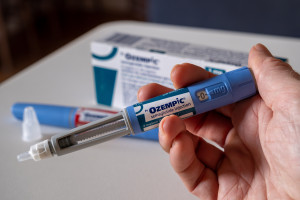
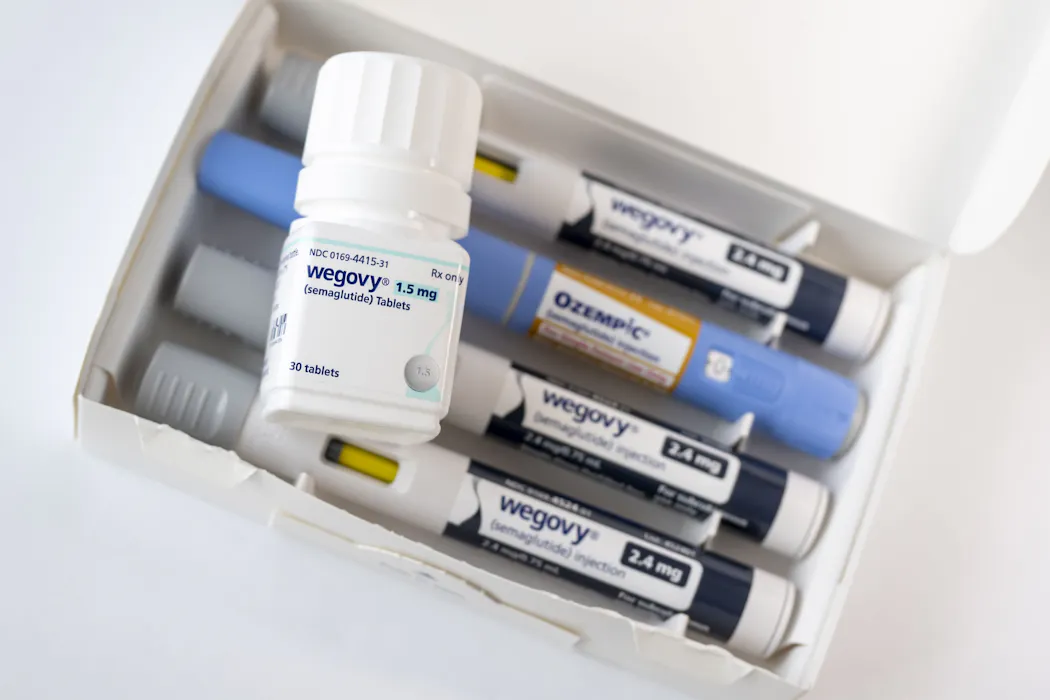
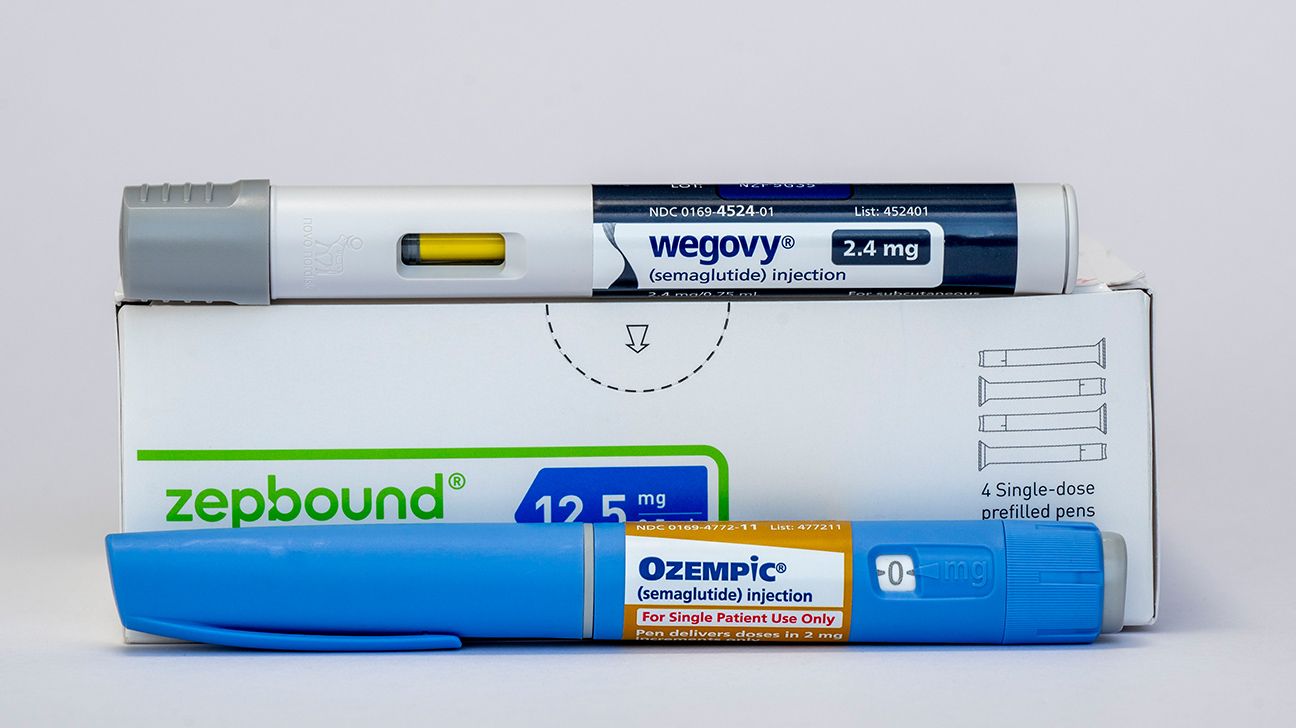
GLP-1 drugs mimic a gut hormone that slows digestion, blunts appetite and boosts insulin release. Developed for type 2 diabetes, they produced weight loss of 15 to 20 percent in trials and are now the most-covered drug class in health news. Semaglutide (Ozempic, Wegovy) and tirzepatide (Mounjaro, Zepbound) lead the field, with oral versions, cheaper copies and new targets such as alcohol use, kidney and heart disease, and sleep apnoea arriving behind them. Open questions are muscle loss, what happens after stopping, long-term safety and who pays.
The score describes type 2 diabetes and obesity, where the class has more than a decade of large trials and approvals. Alcohol use disorder, Alzheimer's disease and other addiction uses are still in trials.
First approval in 2005; recommended in treatment guidelines worldwide.
Approved since 2014; large trials of several drugs in the class.
Outcome trials (LEADER, SELECT) and label indications.
The FLOW trial (2024) and a label indication for semaglutide.
Tirzepatide approved in 2024 after two phase 3 trials.
Semaglutide approved in 2025 on liver-biopsy results; outcome data pending.
Observational signals and one small randomised trial.
Two phase 3 trials of semaglutide missed their primary endpoint in 2025.
This week · The FDA required a label warning on all GLP-1 drugs about NAION, a rare condition that cuts blood flow to the optic nerve, after an analysis of 126 trials.
Written by the Alivewire editors from the coverage below, 3d ago; rated 2d ago. Not medical advice; how the ratings work.