Most covered
FDA Press Announcements
7 outlets
· 2026-11-08
The U.S. Food and Drug Administration today granted accelerated approval to Rybrevant Faspro (amivantamab and hyaluronidase-lpuj) for the treatment of adults with recurrent or metastatic head and neck squamous cell carcinoma (HNSCC) whose disease has progressed on or after platinum-based chemotherap
Metrópoles SaúdeBR
4 outlets
· 2026-11-08
SUS vaccination prioritises people with HIV and low immune cell counts; Brazil recorded 665 cases in 2026.
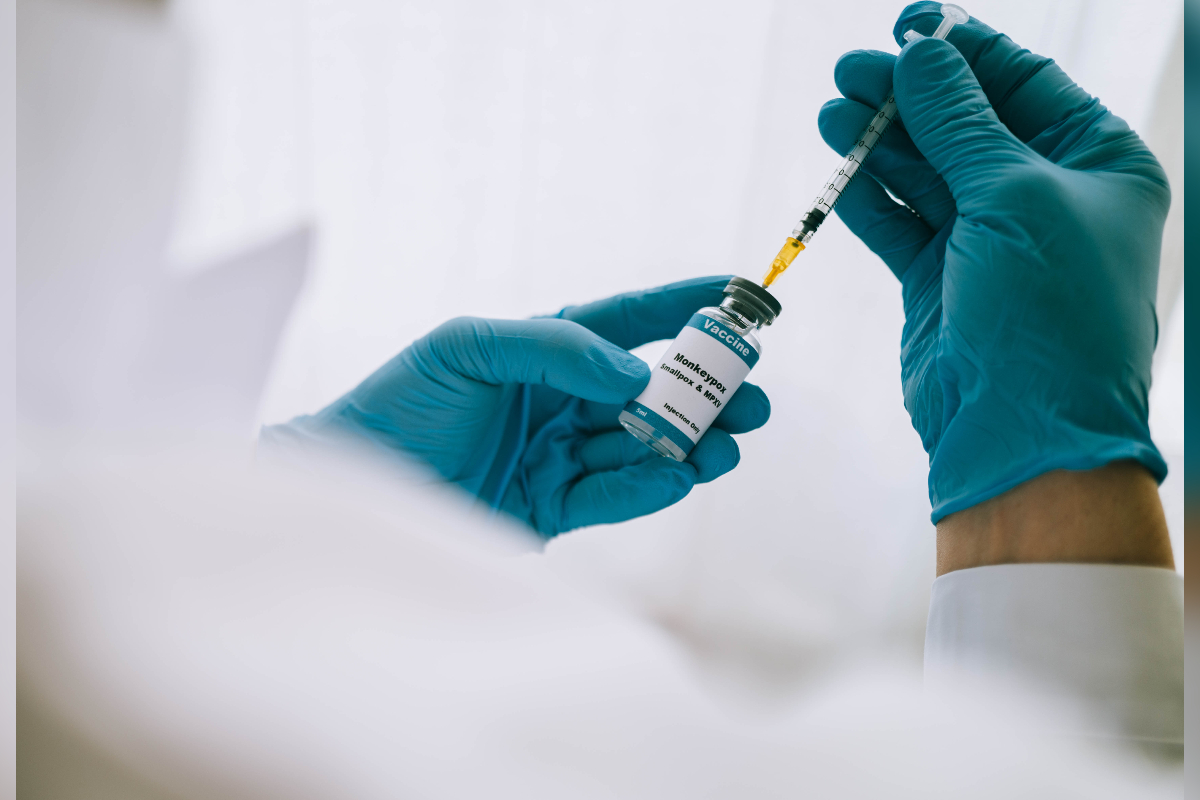
study
NYT Well
3 outlets
· 2026-11-08
One study found a staggering 347 percent increase in cases as fewer babies received the shot, which helps blood clot.

NPR Health
7 outlets
· 2026-11-06
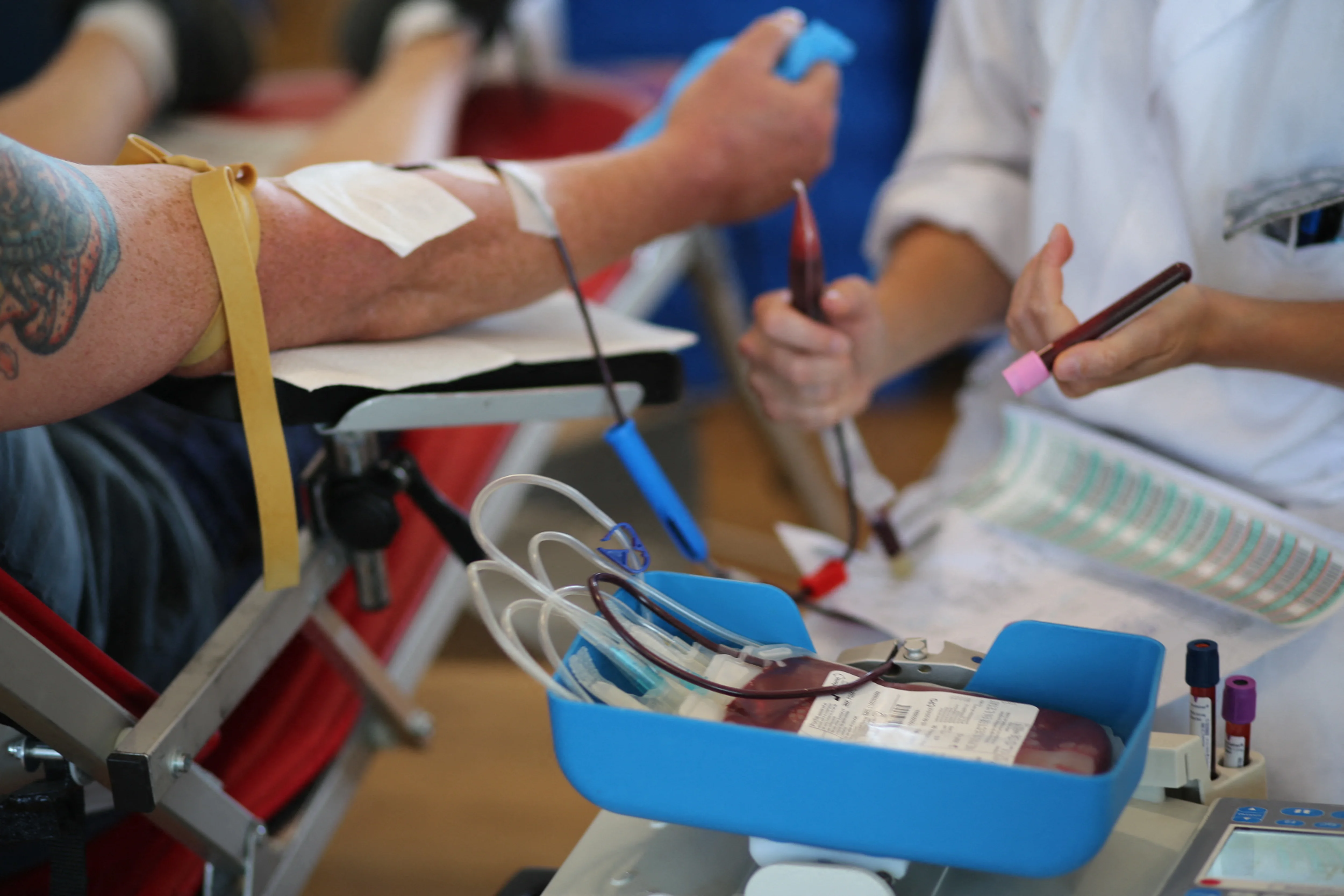
A healthcare intelligence-sharing organization is warning its members to lock down systems following cyberattacks on cold storage systems, including a French blood bank. (Image credit: Helene Rigny)
BioPharma Dive
5 outlets
· 2026-11-07
Regulators finalized a rule Wednesday that would slash payments for drugs in the controversial 340B program and equalize some payments between care sites. Hospitals railed against the rule.

BBC News HealthUK
4 outlets
· 2026-11-07
The aim is to detect hard-to-diagnose abdominal cancers, including liver, ovarian and pancreatic cancer, much sooner.

Health Policy WatchSwitzerland
6 outlets
· 2026-11-06
TRT Haber SağlıkTR
2 outlets
· 2026-11-08
MedPage Today
5 outlets
· 2026-11-06
The Medical RepublicAustralia
· 2026-11-09
The Medical RepublicAustralia
· 2026-11-09
Gaceta UNAMMX
· 2026-11-09
Repubblica SaluteItaly
· 2026-11-09
The Hindu HealthIndia
· 2026-11-09
The Hindu HealthIndia
· 2026-11-09
Explainers that changed · new, re-rated or updated this week
Alcohol new explainer · evidence 9/10, thoroughly established
Alcohol is the most widely used drug, and the evidence on its health effects has hardened over the past decade: the old idea that moderate drinking protects the heart has largely collapsed under better-designed studies, and even low intake raises the risk of …
Estrogen new explainer · evidence 9/10, thoroughly established
Estrogen is the main female sex hormone, produced mostly by the ovaries until menopause, with roles in bone, heart, brain and skin as well as reproduction. Its medical uses are hormone therapy for menopause symptoms, contraception and gender-affirming care; i…
Stem cell therapy new explainer · evidence 6/10, mixed or limited trials
Stem cell therapy uses cells that can renew themselves and become other cell types to repair or replace tissue. Proven uses are narrow: bone marrow and blood stem cell transplants for leukaemia, lymphoma and some blood disorders, plus a few approved products …
Happiness research sits where psychology, economics and public health meet: how life satisfaction and day-to-day mood relate to income, relationships, work, health and age, and whether they can be changed. Robust findings include the strength of social connec…
Cancer new explainer
Cancer is not one disease but several hundred, grouped by the tissue where abnormal cells start dividing without control. Coverage on Alivewire spans the whole field: screening programmes and their false alarms, new targeted and immune therapies, survivorship…
Obesity is defined clinically by body-mass index, a crude measure that researchers increasingly want to replace with body composition and metabolic health. It raises the risk of diabetes, heart disease, several cancers and joint disease, and it is now treated…
Alzheimer's disease is the most common cause of dementia, marked by amyloid plaques and tau tangles in the brain and a slow loss of memory and function over years. Two antibody drugs that clear amyloid are approved in some countries but slow decline only mode…
ADHD new explainer
ADHD, attention-deficit hyperactivity disorder, is a neurodevelopmental condition of inattention, impulsivity and restlessness that begins in childhood and persists into adulthood in roughly half of cases. Stimulant medications are effective and well studied,…
Lung cancer is the leading cause of cancer death worldwide, and about 85 percent of cases are tied to smoking, though rates among never-smokers, especially women in Asia, are rising. Survival has improved with targeted drugs for tumours carrying specific muta…
COVID-19 is the disease caused by SARS-CoV-2, now circulating as a seasonal respiratory virus with periodic variant waves. Current research focuses on long COVID, how long vaccine and infection immunity lasts, the virus's lingering effects on the heart and br…
Women's health covers conditions that affect women only, differently, or more often: reproductive and maternal care, menopause, autoimmune disease, migraine, osteoporosis, and the heart disease that is diagnosed later in women than in men. The field's recurri…
Breast cancer is the most common cancer in women worldwide and one of the most studied, with survival above 90 percent at five years when found early in high-income countries. Treatment is now sorted by subtype (hormone-receptor, HER2, triple-negative), and t…
Karolinska Institutet News
AI kan hitta viktig information i bilder av bröstcancer
Karolinska Institutet News
När elitidrotten möter forskningen
Karolinska Institutet News
Avhandling undersöker läkemedelsbehandlingar för att förebygga bröstcancer
Karolinska Institutet News
David Freiholtz får Viking Olov Björk-priset
Karolinska Institutet News
Klusterhuvudvärk kopplad till uttalade utmattningssymtom
The Medical Republic
ADHD clinic directory sends patients astray
the5krunner
50x more accurate urban GPS for cyclists – new method
Slowtwitch
Magnus Ditlev Sets World Record at IRONMAN Florida
Australian Ageing Agenda
Exercise is medicine but delivery is key
Canadian Running
Runner clocks 2:28 marathon in jeans in Portugal
The Medical Republic
ADHD clinic directory sends patients astray
The Medical Republic
Where specialists find common ground with Grattan
The Medical Republic
Doctors warned to declare financial conflicts
The Medical Republic
Gaming disorder in young people: Practical perspectives for GPs – Part 1
The Medical Republic
Sharks are awesome: kids
Guardian Mental Health
The parents who return their adopted children to care – podcast
PsyPost
Waiting to have sex linked to lower depression risk later in life
Karolinska Institutet News
Två nyupptäckta proteinformer kan vara viktiga vid alzheimer
PsyArXiv (via OSF SHARE)
The Cost of Disconnection: Longitudinal Egocentric Network Analyses Linking Social Isolation to Loneliness and Mental Health in Adolescents and Adults
PsyArXiv (via OSF SHARE)
Excitation-inhibition imbalance in depression and the limits of observability: cohort-level inference from resting-state EEG with an amortised three-region Wilson-Cowan model
DR Viden
Som at stå for tæt på et bål iført polyester og skændes om, hvem der glemte at komme salt i snobrødet
Nature Medicine
Resistance exercise to attenuate lean mass loss during tirzepatide therapy for obesity: a randomized controlled trial
Journal of the Academy of Nutrition and Dietetics
The Effects of Vegetarian Diets on Blood Pressure: A Systematic Review and Meta-analysis of Randomized Clinical Trials
Metabolism
DTC1225, a novel benzothiazole-based compound, ameliorates MASLD by restoring metabolic-redox homeostasis and promoting hepatic lipid remodeling
Metabolism
Multi-omics analyses of HFpEF progression and regression reveals multi-organ-specific metabolic dysregulation and impaired inflammation resolution
the5krunner
BPC-157 for Tested Athletes: What a Research Peptide Label Really Means
the5krunner
50x more accurate urban GPS for cyclists – new method
the5krunner
QUICK READ: Connect+ AI will stay cautious, says Garmin
Pharmacy Times
Doctors of Running
How We’re Rehabbing Ankle, Achilles, and Foot Pain
The Medical Republic
Where specialists find common ground with Grattan
Le Parisien Santé
« Les filles, je ne vous lâche plus » : face au cancer, ces onze inconnues devenues amies s’entraident pour retrouver confiance
HealthReport.gr
Τι διαπιστώνουν τα κλιμάκια του ΟΔΙΠΥ στα νοσοκομεία – Τα λάθη στα φάρμακα και οι λοιμώξεις
Medlabnews
Κηφισιά: 15χρονος χωρίς δίπλωμα οδηγούσε με 187 χλμ./ώρα σε σημείο με όριο 90
Down To Earth Health
Proposed Western Ghats ecological protection zone faces mounting climate threats even as its notification remains stuck
MedPage Today
What Do Patients With Sleep Disorder Really Mean by 'Brain Fog'?
Wake Up Narcolepsy
Write Your Personal Statements For FDA Public Comment: Community Workshops
Sleep Review
FDA Grants Breakthrough Therapy Designation to Expedite Potential Pediatric Insomnia Drug
Sleep Review
FDA Clears Software-Only Module to Estimate Total Sleep Time
Wake Up Narcolepsy
Making Sense of the Science of Narcolepsy In SleepWorld Magazine
HKUST News
HKUST and Unitree Sign MoU to Advance Embodied AI and Robotics Collaboration
AJP (Australian Journal of Pharmacy)
Data highlights ‘whooping cough corridor’
MedCity News
What’s Driving the Consumerization of Healthcare?
HKUST News
HKUST Develops Novel Perovskite Chiral Multiple Quantum-Well System - Preview
the5krunner
BPC-157 for Tested Athletes: What a Research Peptide Label Really Means
20minutos Salud
Raúl, tras dos meses en la UCI por una grave infección pulmonar y un diagnóstico de diabetes: "Gracias a Dios pude salir de esa situación"
20minutos Salud
¿El moco verde necesita antibiótico? Una doctora desmonta mitos de salud que seguimos creyendo
Prensa Libre Salud y Familia
Cómo preparar una receta de filete de pescado en salsa beurre blanc
PsyPost
Self-perception might matter more than observable social skills for autistic teens’ well-being
Prensa Libre Salud y Familia
¿Qué significa el retablo del beato Augusto Ramírez Monasterio en Antigua Guatemala?
