studyobservational
Prenatal exposure to depression linked to neurodevelopmental disorders: Study finds
Medical Dialogues · 1h ago
Untick a publication to hide it; your selections are stored in this browser. Journals, preprint servers, consumer brands and other high-volume feeds are off by default.
Mind & Brain · covered by 21 outlets this week · tracked since 2026-10-27
Press: 22 mainstream 27 specialist 18 independent outlet-days
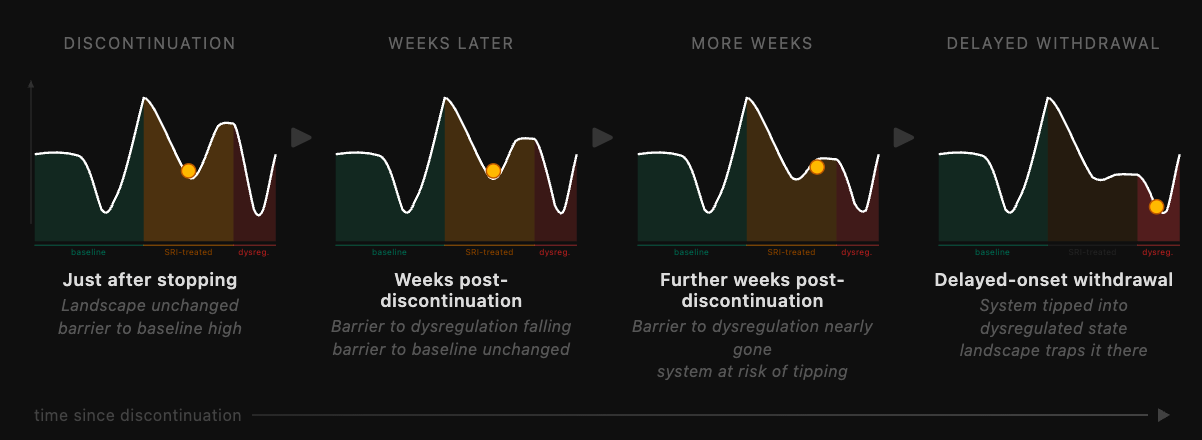
Antidepressants are medicines for depression and anxiety, the most widely used being SSRIs such as sertraline and fluoxetine. Trials show they help more than placebo on average, with larger effects in more severe depression, and many people take them for years. Coverage centres on which drugs work best over the long term, withdrawal symptoms when stopping, rising use in young people, and how they compare with talking therapies.
Approved and guideline-recommended for moderate to severe depression and anxiety disorders; benefit over placebo is smaller in mild depression.
many RCTs and meta-analyses
RCTs and guidelines
small benefit over placebo
This week · A network meta-analysis of long-term treatment reported that antidepressants differ in how well they keep depression from returning, drawing wide coverage and expert reaction.
Written by the Alivewire editors from the coverage below, 16h ago; rated 16h ago. Not medical advice; how the ratings work.