studyobservationalpeer-reviewed · 11m ago

Bedroom temperature may be a hidden drag on productivity, study suggests

Sleeping in a warmer bedroom during the summer is associated with poorer sleep quality and feeling less focused and productive the next day, according to new research published in the Journal of Environmental Psychology . By combining bedroom air sensors, wearable sleep rings, and smartwatch…

observational Australia· 35m ago

Dementia is a test of community

The way society understands dementia may need a fundamental rethink, according to South African gerontologist Rayne Stroebel, who challenged delegates at the 2026 Australian Association of Gerontology conference to move beyond viewing dementia as a condition of the individual brain and instead see…

studyobservationalpeer-reviewed · 2h ago

Insecure attachment linked to reduced well-being in bisexual young adults

Young bisexual women face unique social pressures that can shape their mental health in both positive and negative ways. Research published in the International Journal of Sexual Health reveals that insecure relationship patterns predict increases in psychological distress and reductions in overall…

studyobservationalpeer-reviewed · 4h ago

People project a specific racial identity onto artificial intelligence, study finds

People tend to perceive artificial intelligence systems as White, even when those systems lack a face, voice, name, or body, according to new research published in Journal of Personality and Social Psychology . Across a series of studies, this racial association was linked to greater trust in AI…

· 4h ago

Brain Moves Its Touch Center to Keep Feeling Sensation

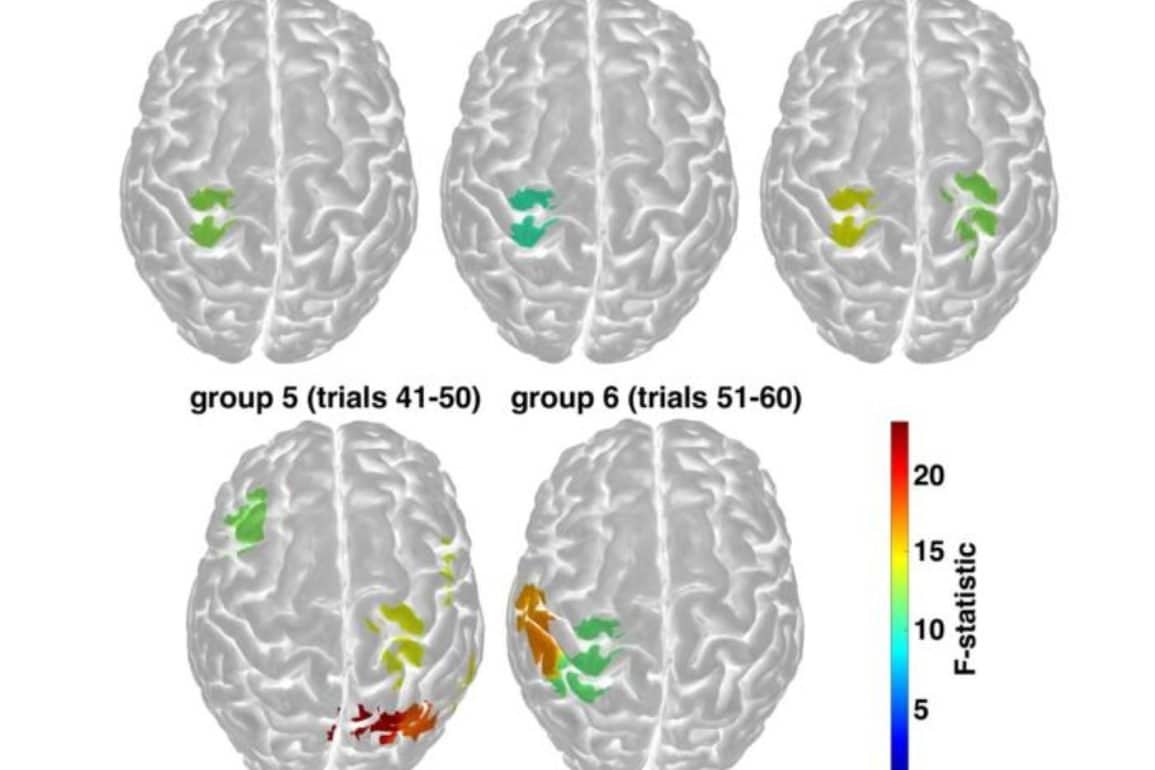
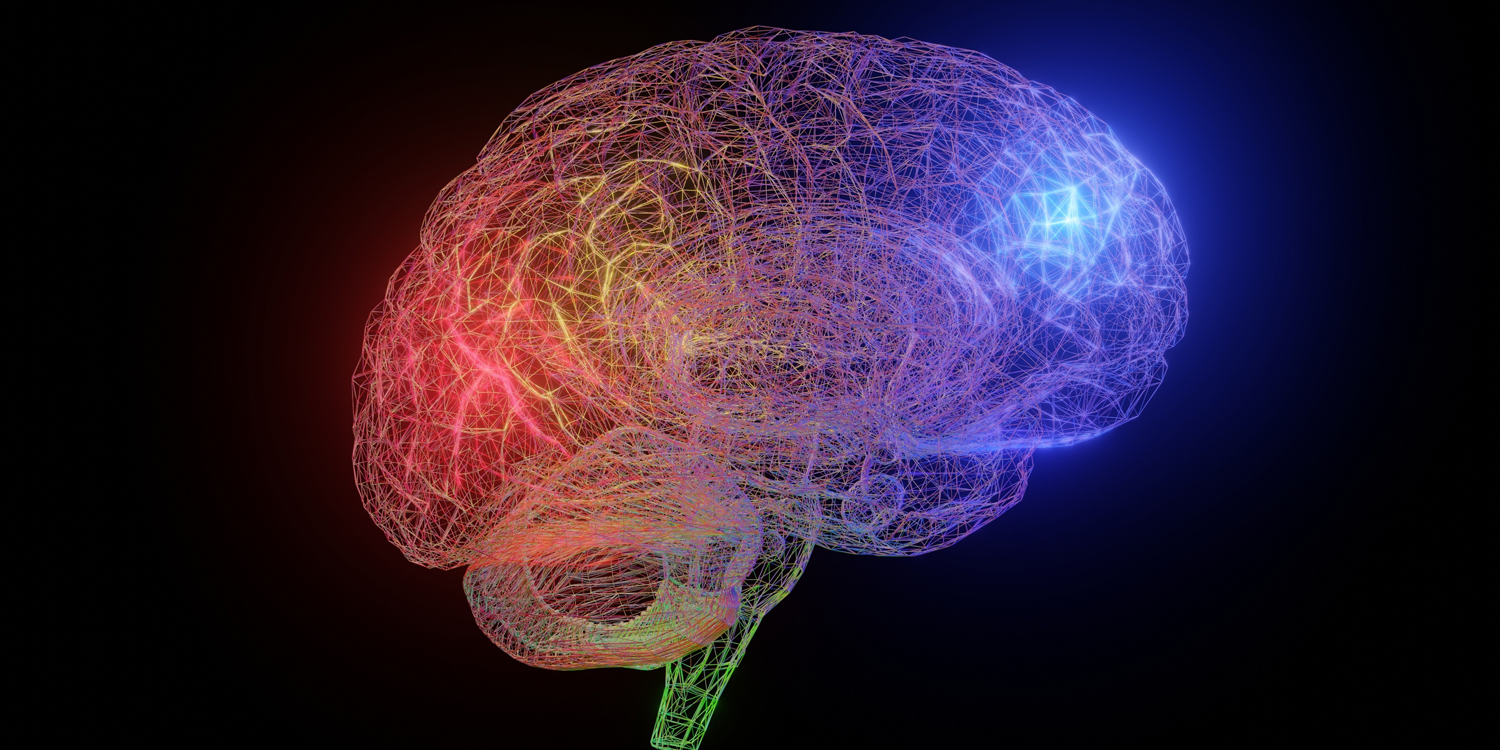
Why does artificial touch fade over time? Penn State engineers used fNIRS brain imaging to solve sensory habituation during transcutaneous nerve stimulation, discovering a 5-second pulse protocol that maintains a stable sense of touch while the brain recruits distributed networks.

· 4h ago

Why Nervous System Hyperarousal Keeps Jolting You Awake

Ever jolt awake with a racing heart just as you drift off? A study in PLOS Mental Health reveals that frequent hypnic jerks—or sleep starts—are not simple muscle twitches, but markers of anxiety, insomnia severity, and nervous system hyperarousal.

n=2,187 · 4h ago

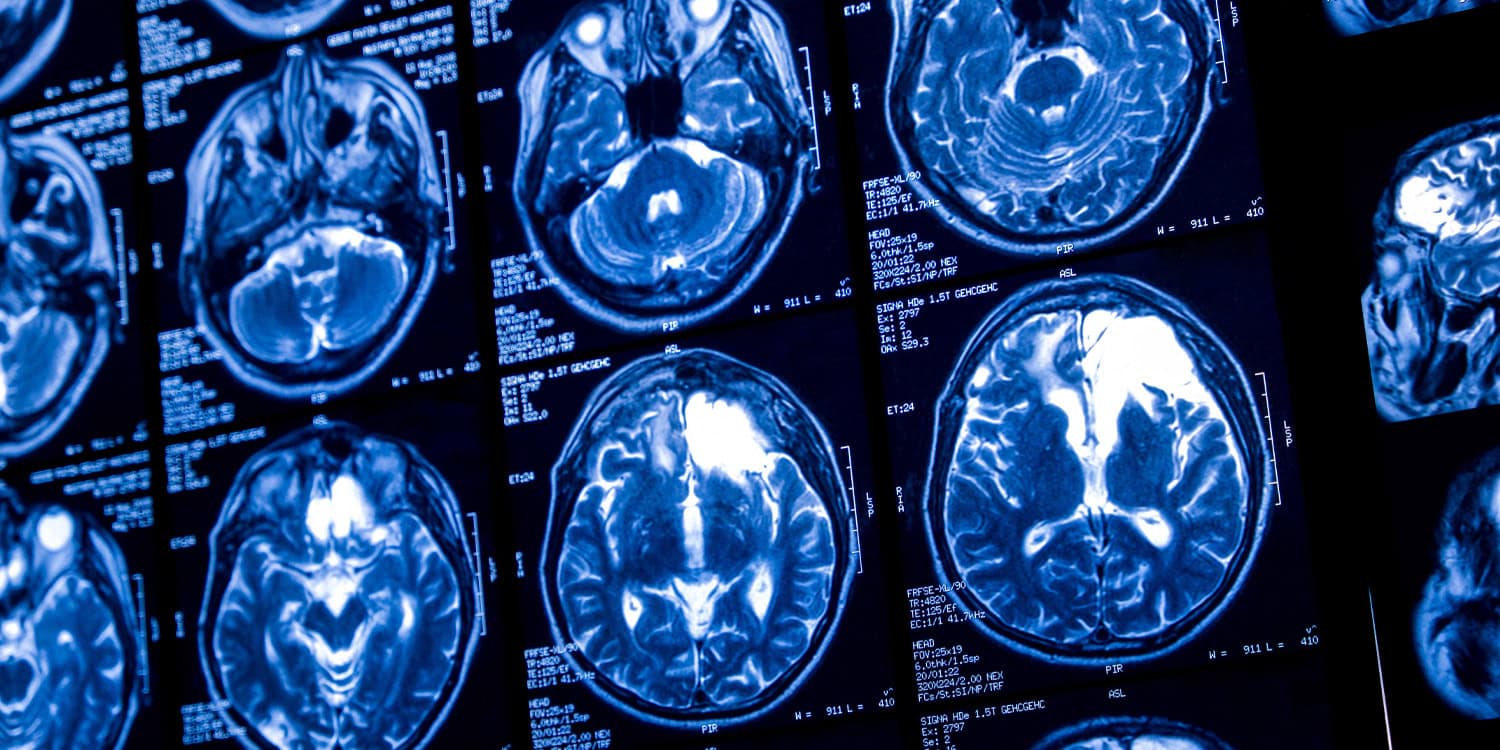
Multiple Sclerosis Atrophy Spreads From High-Stress Neural Hubs

Why does brain volume loss in multiple sclerosis follow distinct patterns? An MRI study of 2,187 patients reveals that atrophy originates in metabolically exhausted network hubs—including the thalamus and sensorimotor cortices—spreading outward along structural connections.

studyobservational · 5h ago

Daytime Sleep Waves in Parkinson’s Linked to Hallucinations

When sleep invades wakefulness: An EEG study of 84 Parkinson’s patients reveals that sleep-like slow brain waves intrude into daytime consciousness, directly tracking with hallucinations and cognitive decline while offering a potential prodromal biomarker.

· 5h ago

· 6h ago

Tuning into your body might protect against the stress of modern politics

People who are better at sensing and trusting their internal bodily signals experience fewer negative health effects from political stress without losing their drive to participate in democracy. These individuals report lower emotional and physical tolls during heated election cycles, pointing to…

study · 7h ago

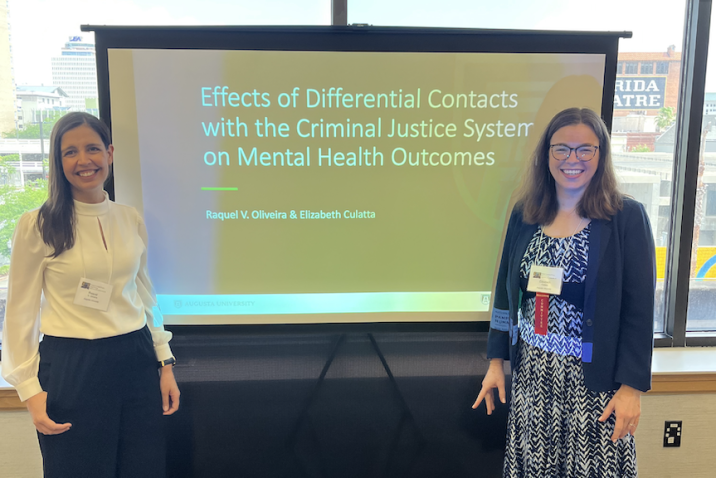
AU research explores mental health impacts of criminal legal system on youth

A new study from Augusta University researchers examined how contact with the criminal legal system may affect the mental health of adolescents and young adults, with some effects continuing up to a year after an initial encounter. Raquel V. Oliveira , PhD, associate professor of criminal justice…

· 7h ago

· 7h ago

· 8h ago

How Couples Create Their Own Unique Microcultures

Do you have a pet name for your partner? I do, and many people I know do, too. Calling your loved one by a special nickname imbued with meaning—like “Bunny,” “Lumba,” or “Buncakes”—communicates in shorthand your unique connection and relational history. Using pet names is just one example of what…

· 9h ago

· 9h ago

svtranslation pending Sweden· 9h ago

Kan hjärtats rytm förutspå förlossnings­depression?

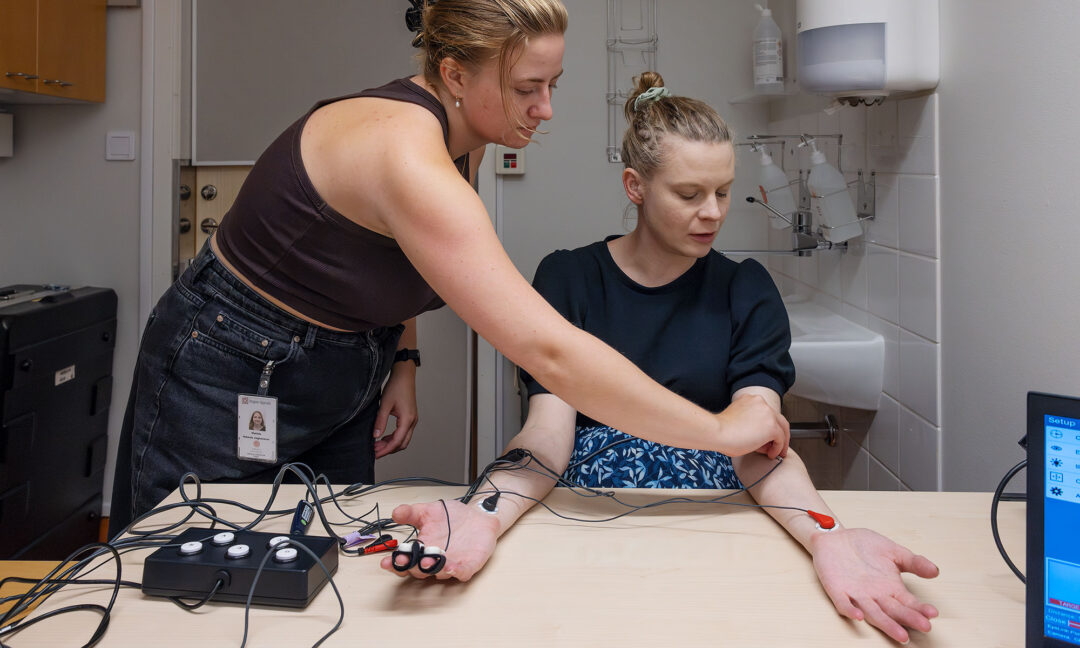
Forskningsassistenten Matilda Mikkola trycker fast ett klistermärke i min panna. Den lilla måltavlan ska hjälpa datorn att kalibrera hur pupillerna i mina ögon rör sig fram och tillbaka över skärmen. Snart förses handleder, armveck och två av fingertopparna med elektroder som registrerar hur fort…

study · 6h ago

Cell Therapy for Knee Osteoarthritis Reverses Damage in Early Trial

(MedPage Today) -- ORLANDO -- A cell-based therapy for knee osteoarthritis (OA) called OSCA not only improved patients' symptoms in a phase IIa trial and appeared safe, but also showed signs of reversing joint damage within a few months, a researcher...

· 10h ago

· 10h ago

· 12h ago

· 12h ago

· 12h ago

meta-analysis · 12h ago

Autistic individuals show altered white matter in long-range brain pathways

A meta-analysis of 66 studies found that autistic individuals tend to show differences in the microstructure of many of the brain’s white matter tracts. Compared with typically developing individuals, they showed moderately lower fractional anisotropy, a measure often interpreted as reflecting the…

· 12h ago

· 12h ago

· 12h ago

· 12h ago

UK· 13h ago

Parkinson’s: beyond the brain

Parkinson’s: beyond the brain Dementia Researcher Nature Careers Blog Most Parkinson’s research has looked inside the brain, at the dopamine-producing neurons the disease destroys. But around 85% of people with Parkinson’s carry no known genetic cause, so what sets the disease off in the first…

· 5h ago

Frailty predicts dementia in older patients with arthritis

ORLANDO — Frailty independently predicted dementia, disability and loss of independence among older patients with arthritis, according to data presented at ACR Convergence. “Arthritis is one of the most common chronic conditions in older adults,” Namrata Singh, MD, MSCI, FACP, associate professor…

video · 15h ago

Could Your Voice Predict Your Dementia Risk?

Researchers are increasingly embracing what was once considered an intriguing but relatively fringe idea: that subtle changes in speech can help predict and track cognitive decline. Pam Belluck, a reporter for Well, explains the science and what it might mean for millions facing dementia and other…

podcast · 18h ago

How To Achieve Inner Peace. No, Really. | Yung Pueblo

On pausing before you react, setting boundaries, healing your past, and not getting dragged into drama Diego Perez is a #1 New York Times bestselling author who is widely known by his penname, Yung Pueblo. He has sold nearly 2 million books worldwide that have been translated into over 25…

· 19h ago

How I Stopped the Robocalls Targeting My Mother With Alzheimer’s

Editor’s note: This is Part 2 of an article and video series on Protecting Against Elderly Scams. Part 1 was published last week: The Hidden Costs of Memory Loss: Scams — A Physician’s Take. A video to accompany this series can be found here: https://www.youtube.com/watch?v=4eynf3CAyX0 “Stop…

detranslation pending Austria· 20h ago

Wie finde ich den für mich passenden Psychotherapeuten?

Wer psychisch belastet ist, hat oft wenig Kraft, sich durch Listen, Websites und Wartelisten zu kämpfen. Konkrete Fragen helfen, die Suche nach einem passenden Therapieangebot zu erleichtern

studyobservationaln=2784 · 20h ago

Diabetes mellitus is associated with altered Alzheimer's disease pathology

Abstract INTRODUCTION Diabetes mellitus (DM) is a major risk factor for dementia, yet it remains unclear whether DM accelerates cognitive decline through amyloid beta (Aβ) or tau accumulation in Alzheimer's disease (AD). METHODS In this study, we included 2784 participants from three independent…

studyobservational Australia· 20h ago

Medication ‘not the panacea’ for dementia

We are currently in “one of the most exciting times” for dementia and brain health research, dementia expert and Centre for Healthy Brain Ageing co-founder Professor Henry Brodaty tells the more than 600 delegates at this week’s Australian Association of Gerontology conference in Melbourne. There…

Canada· 1d ago

WONDER will help kids with brain-based disabilities

TORONTO – A new, national data platform designed to advance research that improves outcomes for children with brain-based disabilities is being developed through a collaboration led by Holland Bloorview Kids Rehabilitation Hospital, with partners at the University of Calgary and CHU Sainte-Justine…

peer-reviewed · 1d ago

Social media algorithms on X promote content that conflicts with your values

Social media algorithms are designed to keep people scrolling by showing them engaging posts, but the content they promote often contradicts the personal values of the people reading it. Research published in the Proceedings of the National Academy of Sciences reveals that the feed algorithm on the…

· 1d ago

· 1d ago

Elisha Goldstein: A Nourishing Breath Meditation

The deepest healing occurs when you come to terms with the way things are. This simple awareness of breath practice is an act of self-love and compassion for the moment we find ourselves in.

· 1d ago

CASS4 Gene Directs Microglia to Contain Alzheimer’s Plaques

Meet the brain's trash compactor: UVA Health researchers discovered that the CASS4 risk gene directs microglia to tightly pack and contain toxic amyloid plaques, proving Alzheimer's risk operates directly through immune defenses rather than neurons.

· 1d ago

Early Infections Prime the Brain for Alzheimer’s

Can an infection in youth seed Alzheimer's in old age? FAU and TUM scientists investigate a "cellular long-term memory" in neurons and microglia, where damaged long-lived RNA molecules leave brain cells primed for neurodegenerative collapse.

· 1d ago

Pregnancy Cannabis Abuse Triples Postpartum Psychosis Risk

Is cannabis during pregnancy truly risk-free? A UC Merced study of over 2 million births in the Annals of Epidemiology finds women with cannabis use disorder face triple the risk of postpartum psychiatric emergencies, alongside a 40% surge in diagnoses post-legalization.